Focus Central America Foundation (FCA), founded in 2021, supports a diverse network of small on-the-ground organisations throughout Central America that aim to address and mitigate the root causes of forced migration.
Principle
When we talk about trust, it is about trusting that the organisations are in the best position to solve their own problems and should be supported in overcoming these challenges.
Doménica Chévez, FCA Partnerships Director and Programme Officer for El Salvador and Costa Rica
Focus Central America Foundation (FCA), founded in 2021, supports a diverse network of small on-the-ground organisations throughout Central America that aim to address and mitigate the root causes of forced migration. FCA’s philanthropy advances its founder Barry Segal’s trust-based approach, as practised by The Segal Family Foundation (SFF) in Africa and Focus for Health Foundation in the United States. This approach sees community members and small organisations as the change-makers best equipped to devise solutions to the issues they face.
FCA offers grants of $5,000–$30,000 to small organisations that rarely have access to international funding opportunities. It also advocates for and provides administrative and organisational support to its partners to help them grow and access future funding opportunities. FCA funds initiatives in numerous sectors across Central America’s seven nations, all directly or indirectly related to the core issue of forced migration. These include violence prevention, water and sanitation, conservation, women’s rights, health, education, LGBTQIA+ rights and other interventions that create more dignified living conditions in the region.
What was the challenge?
Philanthropist Barry Segal formed FCA after being inspired by a 2021 speech that then United States Vice President Kamala Harris gave, urging US organisations to play a part in addressing the root causes of Central American forced migration. With this mandate, the Foundation began its work in Central America in June 2021, conducting research and then awarding grants to a handful of partner organisations in Nicaragua which had been recommended through US foundations active in the country.
By 2022, FCA had broadened its regional scope to include most of the other nations of Central America: El Salvador, Costa Rica, Honduras, Panama and Guatemala. To establish a network, FCA’s first round of grantees was selected through referrals from other foundations, resulting in a portfolio mainly composed of mid-sized organisations rather than the smaller grassroots groups the Foundation truly wanted to target. An early challenge was realising that resource scarcity often made grantees hesitant to connect the Foundation to smaller, proximate-led organisations.
FCA supports its partners by providing unrestricted grants, which enable partners to spend their funds however they deem necessary, avoiding lengthy reporting processes – and helping them build and invest in their organisational capacity. The Foundation has found that, in combination, these forms of support create greater potential for more balanced partner-donor relationships and also maintain a focus on strengthening the projects and organisations.
However, despite their willingness to support organisations with unrestricted grants, once they started operating in Central America, they realised that the language and concept of ‘unrestricted’ grants were relatively unfamiliar to the smaller organisations they hoped to support in the region. The approach was met with mistrust and scepticism. This early scepticism hindered the scope of the Foundation’s work, with one potential partner engaging in the entire pre-grant process only to refuse the funds at the very end. Some organisations were wary of unrestricted grants because of government financial reporting requirements, which could easily flag or block seemingly unattached or unaccounted-for funds.
So, although FCA had initially imagined that offering unrestricted resources and limited formality would be a welcome change for their target organisations, they realised that these tools needed to be paired with building trust with these organisations and an understanding of how the Segal Philanthropies model fits into the Central American context. Trust was something the Foundation had to earn as well as give.
These challenges – how to reach target organisations and how to evolve the grant-making approach to the regional context – highlighted the need to adapt FCA’s strategy to close the distance between the Foundation and the places in which it operates.
What was the response?
FCA realised that to begin building mutual trust, it needed to learn more about the region and organisations it hoped to reach and then adapt its model appropriately. While the Foundation had learned much about trust-based philanthropy from the Segal Family Foundation’s transformative experience in grant-making on the African continent, the nations of Central America presented unique historical, political, cultural and social particularities requiring their own tools.
The first major shift in FCA, in early 2022, saw the Foundation employ three programme officers from Central America to manage the portfolios of each of the nations’ partner organisations and drive the selection of new partners. By this point, FCA already had a number of referrals for organisations in the region, but they were mainly larger, more established groups that had been recommended by other foundations, not the underserved grassroots partners that the Foundation was aiming to support. A key role of the programme officers was to identify these smaller organisations through more direct channels, such as existing beneficiaries and their communities.
By the end of 2022, the programme officers had re-allocated some of FCA’s internal work to prioritise direct outreach and gain holistic understandings of the contexts in which each of them operated. They began with online research but quickly realised that many local and rural organisations did not have an online presence. This led the programme officers to conduct more frequent field visits, allowing them to connect with other local actors and community organisations. However, this process required time.
Through these site visits, the programme officers were able to act as direct points of contact between partners and the Foundation. They found it took time, consistent visits and ongoing conversations to create the conditions in which organisations felt comfortable sharing the issues they were dealing with in their communities and their needs. This was particularly true for remote rural and Indigenous populations, in which systematic marginalisation led to higher levels of distrust. One programme officer working with Indigenous populations of Costa Rica explained that it took about two years of site visits, conversations with community leaders and talking with field experts to gain the community’s trust.
The programme officers’ insights and direct knowledge enabled FCA to adjust its grant-making process to better fit the Central American context and lessen confusion for partners. Some partners, for instance, still sent spending receipts unnecessarily or sought permission for routine project operational purchases. Since the term ‘unrestricted grants’often raised concerns in government financial reporting due to the region’s anti-money laundering regulations, the Foundation adjusted its processes. Adding annual partner agreements, replacing “unrestricted” with “flexible funding” and general operating support”.
They also developed a Partner Guidelines Document to clarify expectations on both sides and provide partners with documentation that could facilitate governmental and banking interactions. Additionally, the Foundation recognised the importance of acknowledging social and cultural particularities in its grant-making process, including understanding the different forms of organising, internal structures, and relationships with central governments.
Through learning more about the specific needs of local organisations and building trust with them, FCA has developed a grantmaking process that provides a clear structure for grantees around what is expected from them, but also does not encroach on the Foundation’s trust-based approach. This approach operates on the core belief that partners themselves are best equipped to solve the problems in their communities and should be supported in making autonomous decisions about how they use their resources. Ultimately, FCA believes this will provide the greatest benefit and deepest impact to affected communities.
Trust-based approaches are perceived as involving risk, but FCA recognises that the true risk is in not addressing issues communities have faced for decades, challenges that require long-term commitment and meaningful support. Additionally, the time and resources that organisations sink into the completion of extensive proposal processes in environments with limited funding opportunities present much greater risk than that which foundations face in offering small grants that may not always work out as intended. FCA recognises it has a much higher tolerance for risk than its grantee partners and harnesses this position to unburden organisations, giving them the best possible opportunity to do their work in the hope that it will ultimately contribute to mitigating forced migration in the region.
The significant developments at FCA, described above, have affected the internal dynamics of the foundation. As the programme officers took on significant structural roles in FCA, the Foundation faced an additional challenge new to Segal Philanthropies: language barriers. While SFF did have a small group of French-speaking grantees, most of their organisations had English speakers, and all their staff spoke English. For FCA, the reverse was true: less than 10% of their grantees had English-speaking staff, and only one of the programme officers was fluent in English. This left a considerable physical distance between the English-speaking board members and the staff and a communication gap between the staff and the Foundation’s partners.
A few strategies helped build connections and trust within the foundation, and helped address the communication gap mentioned above. One example is a staffing decision made in 2022: An executive director who had years of experience working in an African partner organisation of SFF was employed, harnessing established trust in the making of the new foundation. Her experience in Central America, her understanding of the Segal model of philanthropy, and her English language competency helped bridge the gap between the board and the broader FCA community, expediting the translation of the Segal vision to the Central American context, and using her well-established relationships to liaise across the foundation effectively.
This emphasis on robust internal relationships and structures has been crucial to FCA, with their externally-facing trust-based approach also reflected internally in their team and board. An important example of this is the fact that FCA’s decisions about grantmaking are largely determined by their programme officers, who are the only team members making recommendations on potential grantee partners. This is because they are the most familiar with the contexts of their assigned regions, they have experiential knowledge of Central America, and they have direct contact with potential partners through site visits. Although the board has the final say, its members are in the US and ultimately place trust in the programme officers, picking partners from their pool of recommendations. This approach helps FCA to identify and support organisations on the ground and requires the team to remain steadfast to the decision-making structure.
There have been several instances where partner organisations’ staff have attempted to go over the heads of programme officers and approach the US-based executive team members, sidestepping FCA’s organisational structure. Such instances can undermine the programme officers and can sometimes expose the cultural perceptions and realities of power and position linked to nationality and race in the region. It is crucial in these moments that FCA sticks to its internal structures, holding absolute faith in each team member’s ability to make the best decisions within their area of expertise. One of the key factors making this system work effectively is a shared vision of FCA’s ultimate mission: to cultivate a regional community of leaders who can tackle the most pressing challenges in their contexts.
The entire team of programme officers, together with the executive leadership, conducts interviews with each partner and then deliberates on decisions as a group, minimising potential biases. If there is one word that defines FCA, it is ‘community’.FCA’s team has had access to parallel learnings in power-sharing from SFF’s experiences in Africa (SFF shifted their board to include representatives from some of their longer-term partner organisations), demonstrating a philanthropic approach with a long-established appetite for true collaboration. These learnings have helped the FCA team strengthen its organisational culture and processes.
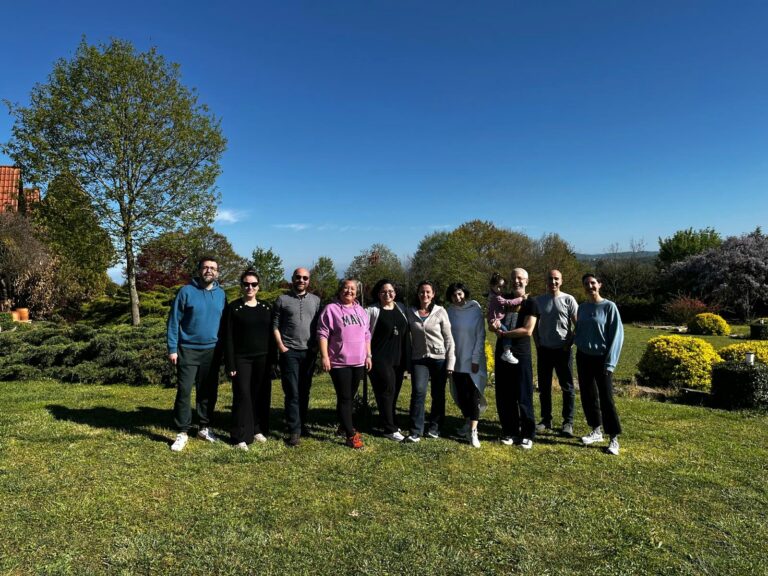
Internal organisational trust is additionally supported and strengthened by interventions such as the FCA Partner Appreciation Summit. First held in 2023, this initiative helped build relationships across the Foundation and its partners. All grantees, team members and board members were present at the inaugural event and were able to meet and talk about their projects, through professional translators when needed. It enabled the board to see the programme officers in action and offered everyone attending the chance to witness the depth of the community that has been developed through FCA’s grants. Ultimately, the summit allows everyone there to experience the joyousness and celebration of working together, connecting grantees with one another, and helping build bridges throughout different parts of the organisation.
Such events bring home the fact that FCA aims to provide support to its partners that goes beyond the provision of grants, bringing its network together and creating the opportunity for exchange. The small grassroots organisations the Foundation supports have rarely received funding before and often do not have big budgets or extra resources. FCA grants are awarded annually, with a view to renewing them over a five-year period. During this time, the Foundation also offers support to increase its partners’ organisational capacity, preparing them for bigger grants from other funders in the future. This includes helping partners get tax-deductible status to allow them to cast their application nets more widely, connecting them with other funders in their network, and keeping partners informed about funding opportunities in the region.
As a funder that spends a much larger amount of its endowment on grants than legally required in the US (20% annually as opposed to the mandated 5%), FCA has flexibility in deciding which organisations it wants to fund, even if they do not have tax deductibility status, for instance. This structure helps the Foundation keep in line with its overall aim of supporting small grassroots organisations.
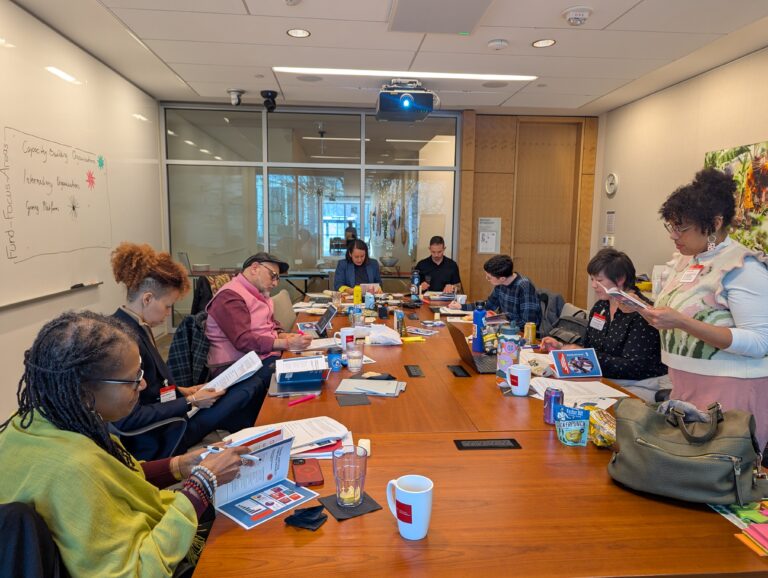
FCA has built relationships with foundations in Central America in various ways that benefit both the Foundation and its partners. It is part of the RECARGA Initiative (Educational Recovery in Central America: Supporting the Critical Role of Civil Society Organisations) with seven other foundations. It is also a member of the Latin America Funders Collective, created in 2024 alongside the Tinker Foundation and Tawingo Fund with the goal of supporting donors interested in learning more about the giving landscape in the region. In addition, FCA recently joined WINGS, becoming part of a global network of philanthropy support organisations and funders invested in strengthening the philanthropy ecosystem in the regions where they operate.
These relationships offer avenues for FCA’s participation in Central America’s broader philanthropic landscape, offering its own knowledge and experience of transformation to other foundations and receiving support in the form of mentorship and exchange. Ultimately, these relationships create referral networks through which FCA can advocate for its partners and help strengthen the philanthropy ecosystem in the region. Despite the limited resources in the region, the Foundation has found that there is an appetite for collaboration and information sharing that it has not experienced before. FCA has both learned from this and leaned into it, prioritising its contribution to strengthening the ecosystem beyond grant-making.
As a result of its initial encounter with mistrust and scepticism from local organisations, FCA is transforming itself, shifting its internal structures and strategies, making sure trust-based approaches go “all the way down”, expanding its own network, and contributing to the region’s philanthropic ecosystems by offering support in the shape of grant-making and more.
What have they learned?
Design models that truly serve communities. FCA recognises the importance of investing time and care into mapping out the contextual realities of the organisations it aims to support. For FCA, building relationships and trust through site visits, active listening and direct engagement have proven far more effective than relying solely on proposals or metrics. FCA has found that this relationship-driven approach helps to strengthen the trust-based model at its core and empowers partners to create more effective interventions.
Recognise and leverage the social capital and expertise programme officers bring. Tapping into the social capital and expertise that programme officers cultivate is critical to building trust-based relationships with communities and partner organisations. Programme officers who share language, culture and proximity with the communities they help support bring unique value by fostering deeper connections and understanding with partner organisations. FCA’s experience in Central America demonstrates that employing team members with contextual familiarity significantly improves efforts in identifying and building relationships and trust with organisations. Adopting an approach that positions programme officers as the primary points of contact for partners has proven essential in ensuring consistent, effective and impactful relationship-building while also stopping attempts by potential partners to reach out directly to the US-based grant-making team.
Build and reinforce trust internally through deliberate and thoughtful organisational processes. FCA’s internal systems thrive on mutual trust between the team and the board. The board trusts the team’s expertise, empowering team members to shape responsive support mechanisms for partners. This dynamic ensures decisions are informed, strategic and impactful, with both the operational team and the board aligned in their ultimate goal: addressing the structural challenges that force people to leave their country of origin to seek a safer or more dignified life.
Be the risk-taker – not doing so could place the people and communities you hope to serve at risk. Foundations have a much higher tolerance for risk than their grantee partners. However, when it comes to practices like unrestricted funding, foundations need to clearly distinguish between perceived and actual risks. While many foundations still deem unrestricted funding risky, FCA believes that the true risk lies in not fully supporting its grantee partners. They are the ones best equipped to solve the problems in their communities and must be allowed the autonomy to make decisions about how they use their resources.
Take part in funder collaborations and invest in philanthropy ecosystems. For FCA, being part of funder collaborations and networks has provided valuable opportunities for peer-to-peer learning, mentoring and knowledge-sharing, as well as the chance to advocate on behalf of their grantee partners. More broadly, these collaborations and investments allow FCA to strengthen philanthropy support ecosystems in Central America, enhancing the collective impact of philanthropy in the region.
Key outcomes and impact indicators
Grassroots support
FCA supports 120 grassroots organisations, 10% of which are led by Indigenous leaders (8% in Guatemala and 2% in Honduras); 60% are women-led, and 98% are locally-led.
2024 funding allocation
In 2024 FCA allocated 2.3 million USD in the region, all of which was for unrestricted grants, with the exception of funds for educational opportunities:
Costa Rica: $329,000
El Salvador: $422,500
Guatemala: $543,500
Honduras: $450,500
Nicaragua (through intermediaries): $99,500
Panama: $140,000
Grantee educational opportunities and institutional strengthening support: $315,000
RECARGA initiative
FCA is a funding partner of the RECARGA Initiative, which has an endowment of $1.5 million over three years. With the pooled funds of partners, RECARGA supports a cohort of 12 civil society organisations working on education in Guatemala and Honduras.
Strategic partnerships
Partnering with numerous grassroots organisations in the region including Migueleños en Acción, AJUBI, and DORCAS in El Salvador, Dale Una Mano in Costa Rica, and Organización Niños de Montaña in Honduras. These partnerships have led the organisations to broaden their reach and bolster their confidence to seek further funding on regional and global scales.
Among these, 25% reported using the funding for institutional strengthening and 3% reported using it for administrative needs.
2024: 20% reported gaining new funds as a result of the connections that they made through FCA
2024: Over 50% New strategic alliances through the FCA network.