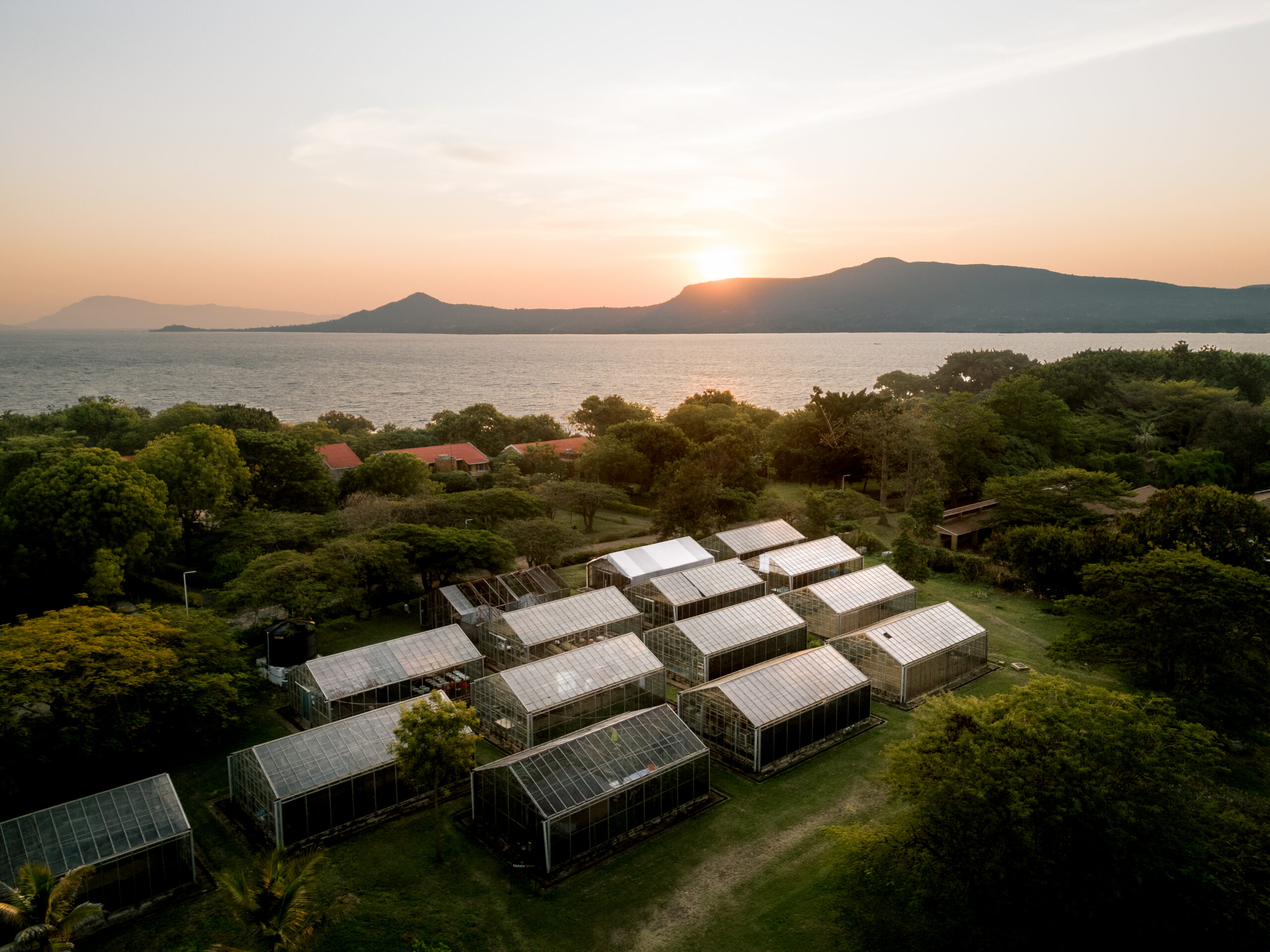
Born from IKEA’s vision of a better everyday life, the IKEA Foundation is an independent philanthropy fighting global warming with and for ‘the many people’. It supports partners across emerging economies in transforming the high- emitting systems that shape how we grow food, travel, and build into low-carbon systems that improve people’s lives and protect the planet.
Principle
Engaging in a participatory strategy review process takes considerable resources and commitment from everyone involved, but the outcome is worth it. I’m convinced that our team and partners are much more connected to our strategy as a result of the process we went through.
Marilia Bezerra, Chief Programmes Officer, IKEA Foundation
Born from IKEA’s vision of a better everyday life, the IKEA Foundation is an independent philanthropy fighting global warming with and for ‘the many people’. It supports partners across emerging economies in transforming the high- emitting systems that shape how we grow food, travel, and build into low-carbon systems that improve people’s lives and protect the planet.
The world has changed significantly since the IKEA Foundation rolled out its last strategy in 2018, and the Foundation has changed as well. The organisation nearly doubled in staff, and the total amount paid out in grants went from €176M in 2018 to €349M in 2024. The Foundation recognised the need to design a strategy to address the current moment of multiple crises, increasing polarisation, and the intensifying impact of climate change, and saw a clear opportunity to streamline its operations and focus on achieving greater impact.
What was the response?
In 2024, the IKEA Foundation decided to embark on a participatory process to develop an integrated strategy that would best leverage its experience and resources to fight global warming with and for the many, while becoming more effective internally and in relationship with grantee partners. The Foundation saw the strategy development process as an important opportunity to mature as an organisation by becoming more self-reflective and adaptive. It wasn’t just about what they would ultimately create, but how they would create it. While it was clear to all at the Foundation that some level of strategic review was needed, it was only by initiating the process of an organisation-wide stocktake that the Foundation could align on the challenges, opportunities and way forward.
The Foundation’s Chief Programme Officer led the strategy process together with Team ‘Samling’ ( ‘gathering’ in Swedish). Team Samling was a temporary task force which consisted of representatives from different departments, including members of the leadership team, department leaders and coworkers. This team led the organisation through several phases of the strategic review through a process built on Otto Scharmer’s Theory U design.
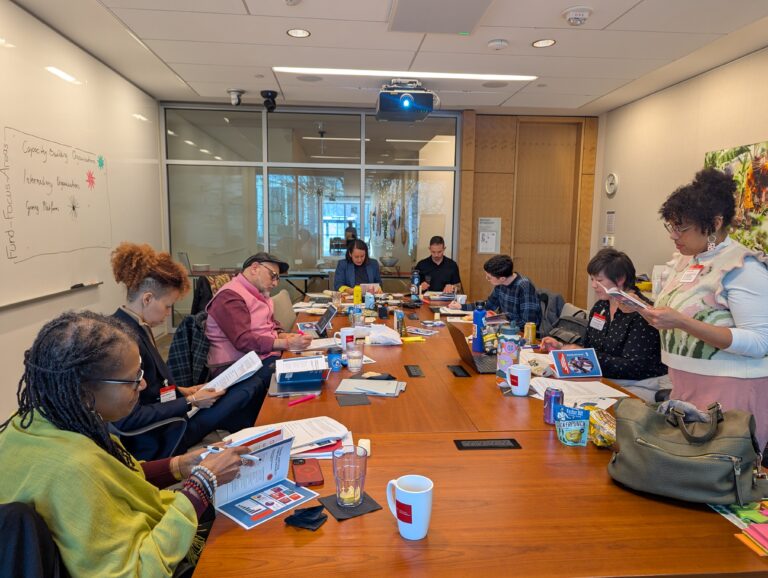
The ‘Seeing and Sensing phase’ involved an attempt to experience the organisation for what it is, by working through a participatory process of reflection, feedback, and evaluation of the Foundation itself. The ‘Crystalising phase’, involved refining the strategic choices. The Foundation plans to go through a ‘Prototyping phase’, during which they will test the strategic direction, gather stakeholder perspectives, and further refine the strategy. The ‘Seeing and Sensing phase’, which took about a year, saw each department and portfolio transparently review their own work over the last five years, considering their current position, lessons learned, and challenges faced. This process was self-organised within each team. It involved several large workshops and meetings with entire teams, as well as smaller portfolio meetings, in which design thinking, rapid prototyping, and facilitated processes of dialogue and listening took place.
In parallel, several external evaluations were commissioned, including a Grantee Perception Survey, an evaluation of the IKEA Foundation’s existing Monitoring, Evaluation and Learning (MEL) framework, and a number of other targeted evaluations and interventions to help build a clearer picture of the organisation. The 2024 Grantee Perception Survey was an essential piece of the puzzle. The anonymous survey was well received by partners, with 78% responding to questions on communications, approachability, reporting processes, and the Foundation’s impact, among others.
To begin integrating learnings from the grantee survey, in 2024, the IKEA Foundation held a series of meetings with its grantee partners to openly share and discuss the results. The survey delivered comments that showed appreciation for the team’s consideration, openness, and willingness to learn, as well as their approachability and commitment. At the same time, the survey also revealed areas for improvement, including the following points:
Partners felt that their work could be more deeply understood by the Foundation.
Partners expressed a desire for simpler application and reporting processes that would be more helpful and adaptable to partners.
Partners saw an opportunity for their relationships with the IKEA Foundation to improve by having more regular and consistent touchpoints.
This direct feedback from partners contributed to the Foundation prioritising several potential actions to consider in the strategy process:
Develop a better understanding of partners’ work by improving engagement with partners through non- monetary support and facilitating partner-to-partner convenings and collaborations.
Provide more robust support to partners through streamlined reporting processes, more trust-based approaches, and longer-term, more flexible, increased and secure funding; and prioritising partners’ longevity and growth by connecting them with prospective funders.
Improve overall communication with partners by focusing the institutional agenda, thereby helping to streamline portfolios and minimise the adverse effects of organisational changes on partners.
What have they learned?
Internal transformation is a big commitment requiring significant internal capacity. Take your time with feedback processes to engage in real transformation: this requires honest reflection and continued, open-ended meeting processes to digest the feedback, assisted by facilitation, and feedback training for the team. Sustaining these processes over time while continuing regular programming demands extra resources and takes time.
Design a strategy renewal process that is inclusive and participatory. The team is more likely to feel ownership over the strategy renewal process if they are a part of creating it. Participatory processes of reflection can be effective in this regard, and these must include reflection from the team, as well as from grantee partners, and external parties offering an outside perspective on the Foundation’s work.
Openness to difficult feedback and conversations is key to effective transformation. The IKEA Foundation required a mindset shift towards more openness and willingness to be vulnerable, to receive and respond to feedback that was both positive and negative. Driven by the goal to be a more effective organisation, they realised that creating a feedback culture was crucial to transformation. In some cases, this has meant facilitating internal departmental spaces to reflect on and digest challenging feedback, and in others, it has meant embracing the willingness to withstand and work through discomfort in the pursuit of an improved organisation.
Put the communities you serve at the heart of your strategy development process. You need to understand the way staff, partners, colleagues, and other organisations in the field perceive your work, and how they feel about your organisation; otherwise, real transformation is not possible. Conduct research and surveys, share feedback with stakeholders, and open the channels for transparent communication. This process of self-reflection is key in changing the organisational culture and working to create alignment to address disjointed internal strategies and communications. Being open to honest feedback also contributes to harmonious and cohesive relationships with partners, where it is truly possible to champion their growth and impact in their communities.
Define the challenges and tensions before addressing them. To enter the stage of future planning, it is important to first find alignment in your perception of the challenges you hope to address and who you want to be as an organisation by defining values and goals. The process of agreeing on the challenges you face is itself a massive undertaking, exposing tensions and differences in worldviews. This process could take place through internal feedback sessions within departments, as well as externally, through partner surveys and evaluations. In the case of the IKEA Foundation, the challenge was to create organisational cohesion and alignment.
The process itself is an important outcome. Don’t attach yourself to preconceived outcomes. Instead, allow the outcomes to directly respond to a process of rigorous self-reflection and feedback. What emerges will be more effective if it is authentically shaped by these processes. For instance, the ‘Seeing and Sensing phase’ of IKEA Foundation’s strategy renewal process opened itself up to the unknown, prioritising honest feedback, which would form the basis for the implementation stage. Through this process, a culture of listening and honesty has been strengthened at the Foundation, which is crucial regardless of how the implementation strategy shapes out.
Key outcomes and impact indicators
Partner engagement & sentiment
In the Grantee Perception Survey (CEP) of 2024, 165 partners were surveyed, with 129 offering a response (78% response rate).
Using feedback
The feedback offered through the CEP led the IKEA Foundation to conduct internal sessions to digest the feedback and external sessions with partners to address the feedback.
MEL strategy
The Foundation strategy review process led to an evaluation of the organisation’s MEL strategy, which resulted in concrete recommendations for the next phase in the evolution of the MEL function within the new strategy.
Internal stocktake
The internal stocktake resulted in an internal white paper synthesising the findings with insights to guide the strategy development.
New strategic direction
The ‘Seeing and Sensing phase’ resulted in a succinct 2-page document outlining the Foundation’s new strategic direction.